
Massage Therapy for Horses: A Smarter Look at Muscles, Joints, and Recovery
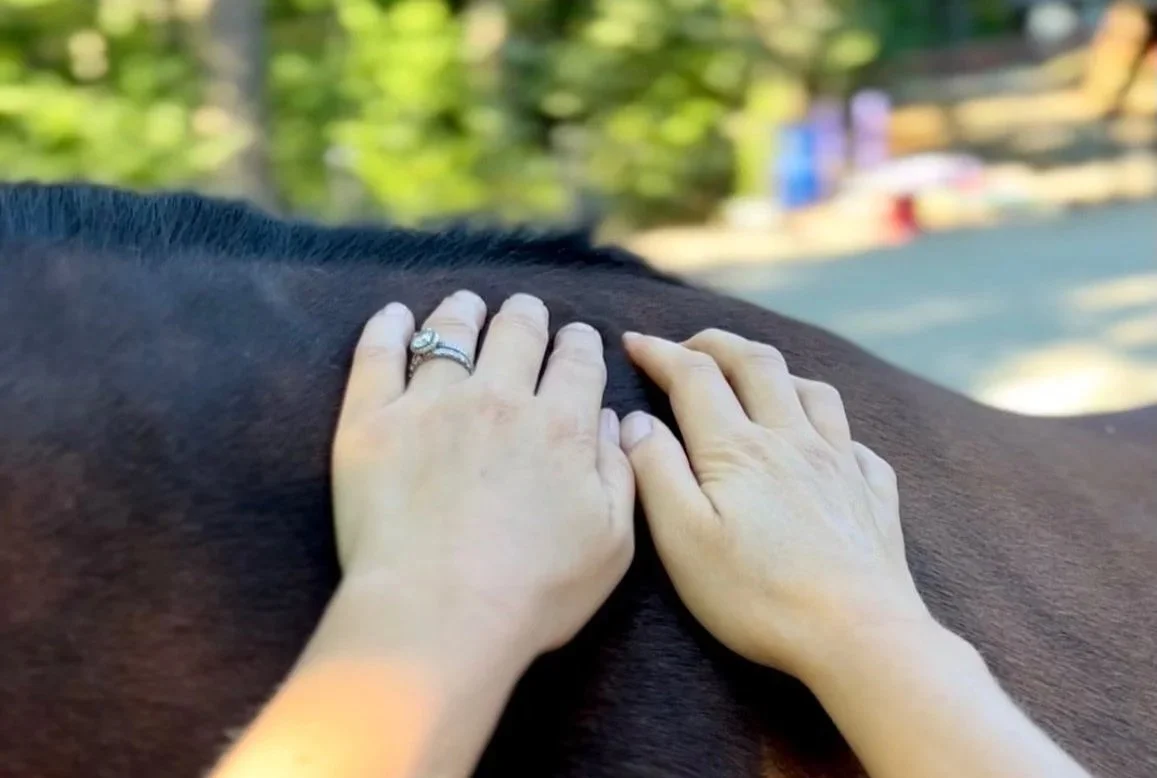
When most people think about massage therapy for horses, they picture relaxation. A horse with soft eyes, lowered head, and a body that finally lets go. And yes, that is part of it. But it is only one part.
Massage is not just about helping a horse feel good in the moment. It plays a much bigger role in how the body moves, responds to work, and recovers over time.
If you have ever had a horse feel stiff one day and noticeably freer the next, you have already seen how much soft tissue matters. That is where the benefits of equine massage become more than a nice extra. They become part of a smarter care routine.
This is especially true when we start looking at muscles, joints, circulation, and the body’s ability to recover between rides, lessons, competitions, and even ordinary daily life.
Why Soft Tissue Deserves More Attention
Horse owners are taught to watch a lot of things. Hooves. Saddle fit. Teeth. Training. Movement. All of those matter. But muscles and fascia are what actually move the skeleton, and when those tissues are tight or overworked, the whole horse feels different.
Sometimes it shows up as obvious stiffness. Other times it is more subtle. A horse may struggle to bend evenly, resist moving forward, brace through the topline, or feel inconsistent from ride to ride. In many of those cases, the issue is not always a major injury. Sometimes it is simply a body that is carrying more tension than it can comfortably manage.
That is one reason massage therapy for horses matters. It helps us pay attention to the parts of the body that are working hard behind the scenes.
How Massage Supports Muscles
Every horse uses their muscles all day long, not just under saddle. Standing, balancing, turning, playing outside, adjusting to uneven footing, and carrying tension all place demands on the body.
During work, some muscles become overused while others stay underused. Over time, that can create patterns. One shoulder starts doing more. The back begins to brace. The hind end stops stepping under as freely as it could. These are the kinds of changes that often build slowly.
Massage helps by encouraging the muscles to soften and release unnecessary tension. When muscles are less guarded, the horse can move with more freedom and less effort. That does not mean massage replaces conditioning or good training. It means it helps the body use that training more effectively.
This is one of the most practical benefits of equine massage. A horse that is carrying less tension often finds it easier to swing through the back, reach more comfortably, and recover better after work.
Joints Need Soft Tissue Support Too
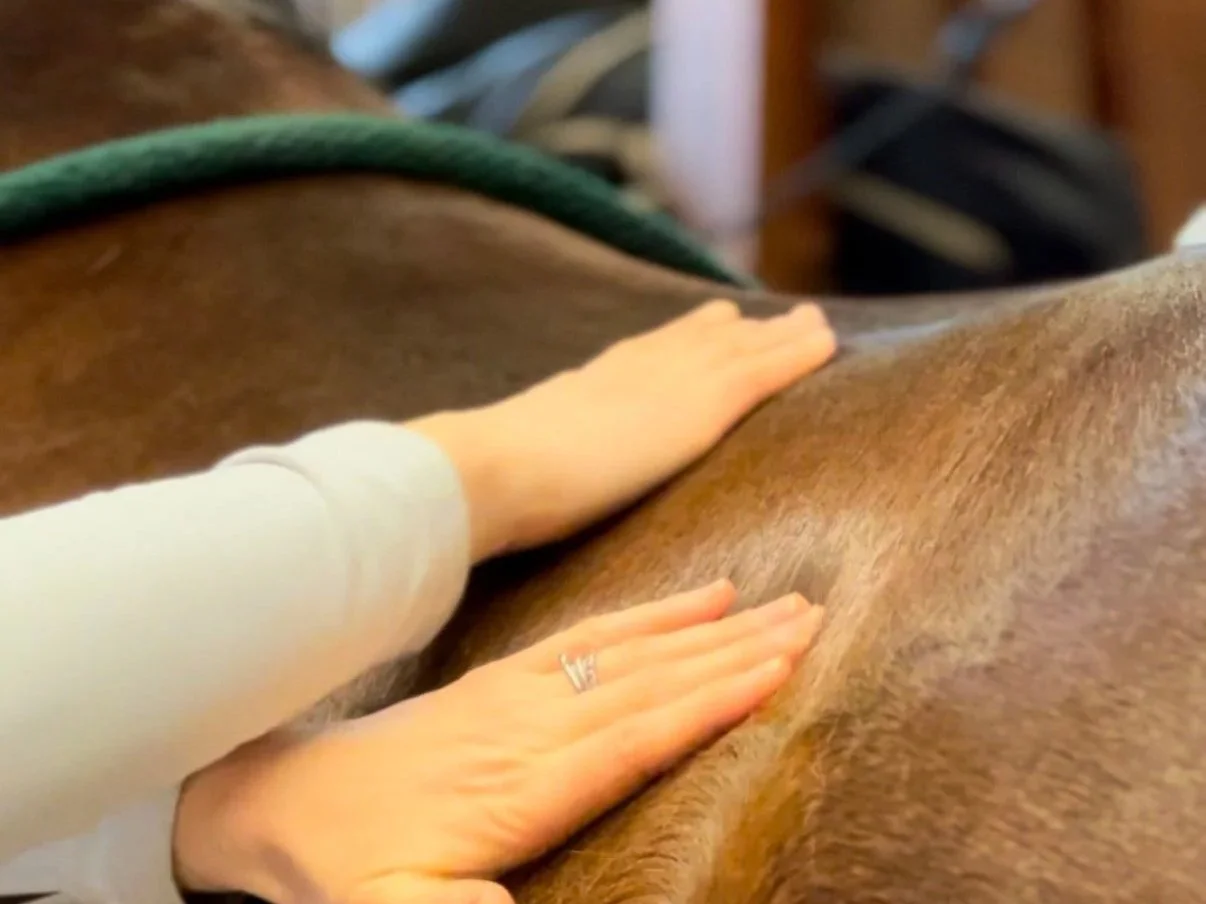
When people think about equine joint health, they often focus on the joint itself.
But joints are only part of the picture. Every joint is surrounded by muscles, fascia, tendons, and ligaments that influence how it moves.
If the soft tissue around a joint is tight or imbalanced, the joint may not move as freely as it should. The horse may shorten the stride, shift weight unevenly, or compensate somewhere else in the body.
That is why bodywork can be so valuable. Massage does not fix joint disease or replace veterinary care, but it supports the tissues around the joint. When those tissues are softer and more functional, the joint has a better environment to move within.
This is especially important in horses that work consistently. The more repetitive the work, the more important it becomes to support the tissues that keep movement balanced and sustainable.
Circulation: One of the Quietest Benefits
Healthy blood flow helps carry oxygen and nutrients to tissues while also supporting the removal of waste products that build up with muscle use.
When a horse is tight, guarded, or sore, circulation may not be as efficient in those areas. Massage helps encourage blood flow, which can support tissue health and recovery. This is one reason horses often feel looser and more comfortable after a session.
You may not see circulation happening, but you often see the results of it. A horse moves more freely. The body looks softer. The stride feels less restricted. These are not magic changes. They are often the result of tissues functioning more normally again.
Massage and Healing: Supporting the Body Between Appointments
It is important to be clear here. Massage is not a substitute for veterinary care. It does not diagnose injury, and it should never be used to work around a medical issue that needs proper attention.
But once a horse has been evaluated and cleared, massage can play a helpful role in the bigger healing and recovery picture. It supports the body while it is doing the hard work of adapting, repairing, and reorganizing.
That might mean helping a horse recover from a demanding week of training. It might mean easing tension patterns that developed while compensating for discomfort. It might also mean helping owners notice changes sooner, before they become larger problems.
This is where massage therapy for horses fits so well into modern horse care. It supports the body in the space between appointments, not instead of them.
What This Looks Like in Everyday Life
The good news is that this does not have to be complicated. Massage is not only for elite horses or special situations. It can be part of ordinary, thoughtful horse care.
Sometimes it starts with a simple awareness check. You notice your horse feels tighter through the shoulder than usual. Or maybe they are less willing to stretch through the topline. Maybe one side of the neck feels different, or the back reacts more than normal during grooming.
Massage helps you become more aware of what is normal for your horse and what is changing. That kind of awareness is one of the most overlooked benefits of equine massage. It teaches owners to pay attention, not just react.
Over time, that makes you a better partner to your horse and helps you make better decisions about their care.
How Massage Fits Into the Bigger Picture
Massage therapy for horses works best when it is part of a larger plan. It supports what your veterinarian, farrier, trainer, and other professionals are already doing. It does not compete with those roles. It complements them!
A horse’s body is always adapting to work, environment, stress, and routine. Massage helps support that body in a practical, hands-on way. It helps maintain comfort, improve awareness, and support movement quality before the horse starts shouting that something is wrong.
Are You Ready to Understand Your Horse’s Body More Clearly?
If you want to learn how to use bodywork in a way that is safe, structured, and truly useful, Equine Bodywork Online can help.
Our programs are designed to help horse owners understand what they are feeling, what it means, and how to support the body with more confidence and clarity.
Massage is not about doing more to your horse. It is about listening better and supporting what their body already needs!
Frequently Asked Questions
What are the main benefits of equine massage?
Massage can support muscle relaxation, circulation, recovery, and overall comfort. It may also help horses move more freely by reducing unnecessary tension.
Does massage therapy for horses help with equine joint health?
Massage supports the muscles and soft tissue around the joints, which can help improve movement quality and comfort. It does not replace veterinary treatment for joint problems.
How often should a horse receive a massage?
That depends on the horse’s workload, age, and individual needs. Many horses do well with regular maintenance rather than waiting until tension becomes obvious.
Is massage therapy for horses only for performance horses?
Not at all. Any horse can benefit from thoughtful bodywork, whether they are competing, trail riding, or simply aging and needing more support.